The Everyday Situations Where First Aid Knowledge Can Make a Difference
Life is unpredictable, and emergencies can happen at any moment. From minor injuries at home to sudden medical incidents in public places, having first aid knowledge can make a meaningful difference before professional help arrives. Many people assume first aid skills are only necessary for healthcare workers, but the reality is that these abilities are valuable for parents, teachers, office employees, drivers, and anyone involved in daily activities. Learning practical emergency response skills helps individuals stay calm, act quickly, and potentially prevent situations from becoming more serious.
Responding to Accidents at Home
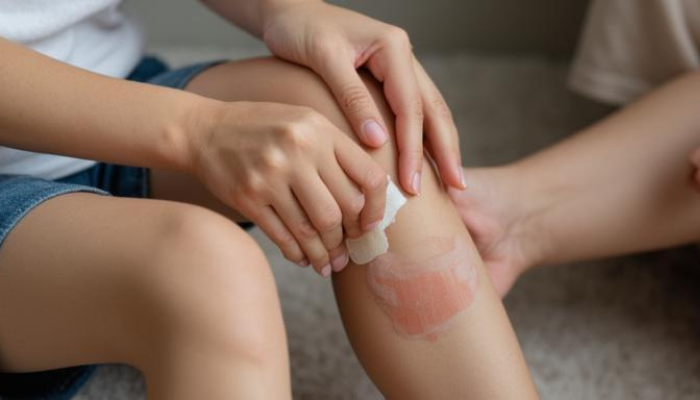
Homes are among the most common places where accidents occur. Cuts while cooking, burns from hot surfaces, slips in bathrooms, or falls from stairs can happen unexpectedly. Children are especially vulnerable because they often explore without understanding danger. In these moments, knowing how to clean a wound, manage bleeding, or assist someone who has fallen can reduce panic and improve outcomes.
Many individuals now enrol in first aid courses Bundaberg to gain the confidence needed to respond effectively during household emergencies. These courses teach practical techniques that can be applied immediately in everyday situations.
Helping During Sports and Outdoor Activities
Sports fields, parks, and outdoor recreational areas frequently experience injuries ranging from sprains to dehydration. Whether someone twists an ankle during a game or experiences heat exhaustion during a summer event, immediate attention can help stabilise the situation before medical professionals arrive.
First aid knowledge is especially useful for coaches, fitness trainers, and parents attending youth sporting events. Understanding how to recognise signs of concussion, support injured limbs, or assist someone experiencing breathing difficulties can improve safety in active environments. Practical learning opportunities such as CPR and first aid courses Bundaberg are becoming increasingly popular because they combine life-saving CPR skills with general emergency care training.
Supporting Safety in Workplaces
Workplace incidents can occur in offices, warehouses, retail stores, and construction sites. Even environments considered low risk may still experience accidents such as choking, allergic reactions, or sudden illnesses. Employees with first aid knowledge can provide immediate support while emergency services are contacted.
Businesses are also recognising the importance of maintaining a safety-focused culture. Staff members who complete first aid training Bundaberg often feel more prepared to handle stressful situations and contribute to a safer work environment overall. These skills can also improve teamwork because employees become more aware of how to support one another during emergencies.
Assisting in Public Spaces
Medical emergencies do not only happen in private settings. Shopping centres, public transport stations, restaurants, and community events can all become locations where immediate help is needed. Someone may faint from dehydration, experience chest pain, or choke while eating. In crowded public places, the actions taken during the first few minutes can be extremely important.
Individuals with first aid knowledge are often more willing to step forward and assist while waiting for professional responders. Simple actions such as placing someone in a safe position, monitoring breathing, or performing CPR can provide critical support during emergencies.
Building Calm and Confidence
One of the greatest benefits of learning first aid is the confidence it creates. During emergencies, panic can delay action and increase confusion. Training helps people remain calm under pressure because they understand the correct steps to follow.
Confidence gained from first aid education also extends beyond emergency situations. Many people feel more secure knowing they can help family members, coworkers, friends, or even strangers if necessary. This sense of preparedness contributes to stronger and more supportive communities.
The Lasting Value of First Aid Skills
First aid knowledge is not only about responding to major emergencies. It is about being prepared for the everyday incidents that can happen at home, at work, during travel, or in public spaces. These practical skills encourage quick thinking, responsible action, and greater awareness of personal safety.
As more individuals recognise the value of emergency preparedness, first aid training continues to grow in importance across communities. The ability to provide immediate care during critical moments can make a real difference and may even help save lives.